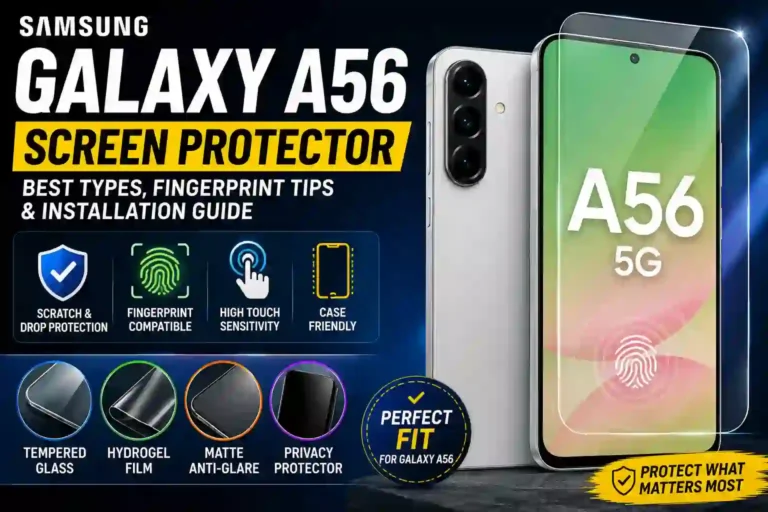
Samsung Galaxy A56 Screen Protector Guide 2026
I dropped my Galaxy A56 face-down on my kitchen tile exactly nine days after I bought it. I hadn’t put a case on yet, though I had a Samsung Galaxy A56 screen protector slapped on in a hurry the night before. My heart actually stopped for a second. I picked it up expecting a spiderweb of cracks staring back at me.
Nothing. Not even a scratch.
That was the exact moment I stopped thinking of display covers as optional accessories and started treating them like non-negotiable insurance. But here’s the thing nobody tells you before buying: not every protector works the same way, and the A56’s in-display fingerprint sensor makes picking the best screen protector for Galaxy A56 trickier than on previous generations. Choose the wrong style and you’ll spend months missing unlocks and typing your PIN in frustration.
Having tested several varieties on my phone over the past several months—from Galaxy A56 tempered glass to soft hydrogel and matte privacy films—here is an honest breakdown of what works, what doesn’t, and how to avoid the common mistakes along the way.
Why the Galaxy A56’s Screen Needs Special Attention
The A56 features a vivid Super AMOLED display with slight 2.5D curved edges around the perimeter. Even though it isn’t a dramatic waterfall curve, that slight slope impacts how a Galaxy A56 glass screen protector sits. Standard flat glass protectors won’t adhere properly near the borders, creating haloing, bubbling, or lifting where pocket dust collects within days.
Second, the optical in-display sensor reads fingerprints directly through the display glass. Light passes through the panel to scan your print pattern. Installing an unoptimized or overly thick Galaxy A56 fingerprint screen protector scatters this light, leading to failed reads and slow response times.
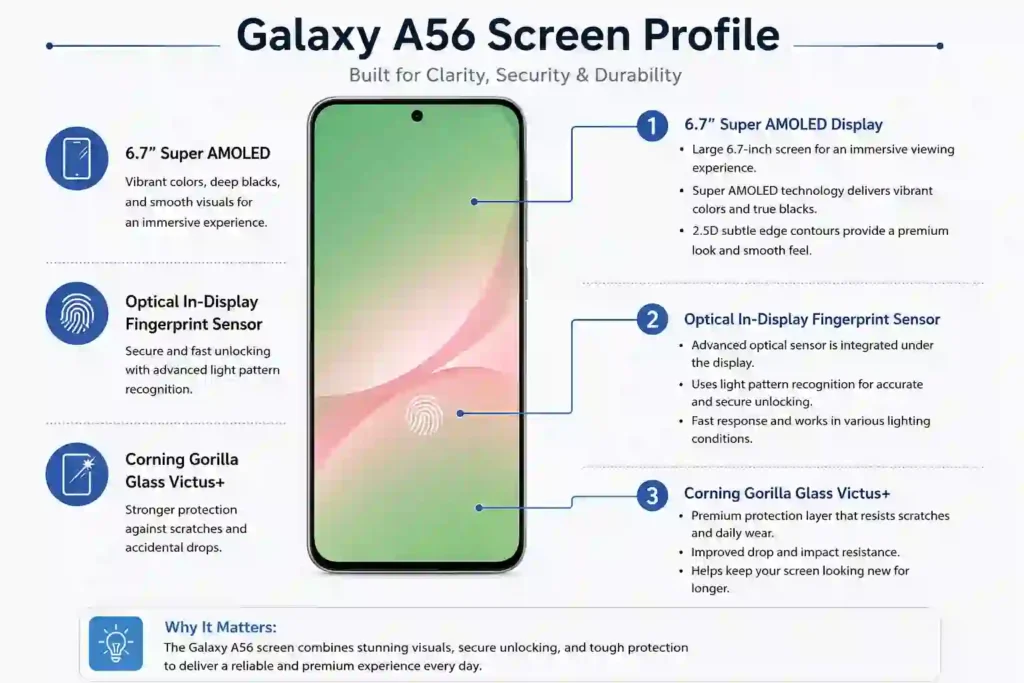
Finally, while the display comes with durable factory glass engineered by Corning Gorilla Glass, native glass still succumbs to micro-scratches from sand particles, keys, and hard drops onto concrete or tile. Adding dedicated Galaxy A56 screen protection creates a sacrificial barrier that absorbs impact forces before they reach the main display panel.
Types of Screen Protectors Explained
1. Tempered Glass (Standard 2.5D vs. 3D Curved)
Tempered glass remains the most popular choice because it preserves the natural feel of the original display while offering top-tier drop resistance.
- Pros: Premium smooth texture, superior impact distribution, high scratch resistance.
- Cons: Cheap flat 2.5D versions leave a thin halo gap along the A56’s subtle edge curve.
- Verdict: Standard 3D curved or case-friendly tempered glass is the benchmark for maximum drop protection.
2. Hydrogel Film
Hydrogel is a flexible, ultra-thin soft film made from thermoplastic polyurethane (TPU). It conforms seamlessly across curved edges, eliminating edge lifting entirely.
- Pros: Self-healing technology fills minor fingernail scratches overnight; zero interference with fingerprint reading.
- Cons: Lower impact absorption compared to rigid glass; soft tactile feel.
- Verdict: Ideal if scratch prevention and instant fingerprint unlocks are your top priorities.
3. Matte / Anti-Glare Film
Matte options scatter light reflections, making the display far easier to view in direct sunlight while resisting oily smudges.
- Pros: Eliminates screen glare outdoors and drastically reduces fingerprint smudges.
- Cons: Slightly reduces the sharpness and punchy color vibrancy of the AMOLED panel.
- Verdict: Great for outdoor enthusiasts who prioritize visibility over raw display sharpness.
4. Privacy Screen Protectors
A Galaxy A56 privacy screen protector uses micro-louver technology to narrow the viewing angle. The display appears bright when viewed straight-on but turns black when viewed from the sides.
- Pros: Keeps confidential data safe from visual snooping in public spaces.
- Cons: Darkens overall screen brightness and can hinder fingerprint scanning if not specifically calibrated.
- Verdict: A must-have for frequent commuters and open-office workers.
Quick Specs & Features Comparison
| Feature / Type | Tempered Glass (3D) | Hydrogel Film | Matte Anti-Glare | Privacy Glass |
|---|---|---|---|---|
| Impact Protection | High | Moderate | Moderate | High |
| Fingerprint Compatibility | Very Good (if certified) | Excellent | Good | Fair (requires re-tuning) |
| Surface Feel | Smooth Glass | Slightly Soft / Tacky | Matte Textured | Smooth Glass |
| Edge Coverage | Full (Curved fit) | Seamless Edge-to-Edge | Moderate to Full | Full |
| Best For | Everyday drops | Curved fit & scratch fix | Outdoor anti-glare | Privacy on public transit |
Fixing Galaxy A56 Fingerprint Sensor Issues
If your fingerprint reader slows down after installing a Samsung A56 tempered glass protector, follow these tested calibration steps recommended by Samsung Official Support:
- Re-Register Fingerprints Post-Installation: Delete existing fingerprint profiles and scan your fingers after applying the new protector. This forces the sensor to map your print through the added glass layer.
- Increase Galaxy A56 Touch Sensitivity: Navigate to Settings > Display and toggle Touch Sensitivity on. This increases panel responsiveness, compensating for the extra thickness. You can explore more panel tweaks in our guide to essential Galaxy A56 settings.
- Register the Same Finger Twice: Scan your primary thumb into two separate slot profiles (e.g., Fingerprint 1 and Fingerprint 2). This doubles the optical scan data points for faster unlocks.
- Moisturize Dry Hands: Extremely dry skin reduces optical scan contrast. Lightly moisturizing hands before scanning helps the sensor read ridges clearly.
If hardware issues persist beyond glass adjustments, consult our dedicated Galaxy A56 fingerprint sensor troubleshooting guide for deeper diagnostic steps.
Step-by-Step Galaxy A56 Screen Protector Installation
Following a proper Galaxy A56 Screen Protector Installation routine prevents dust specks and stubborn air bubbles.
Step 1: Prep the Environment
Work in a low-dust room (such as a steamy bathroom after a warm shower) to minimize floating dust particles.
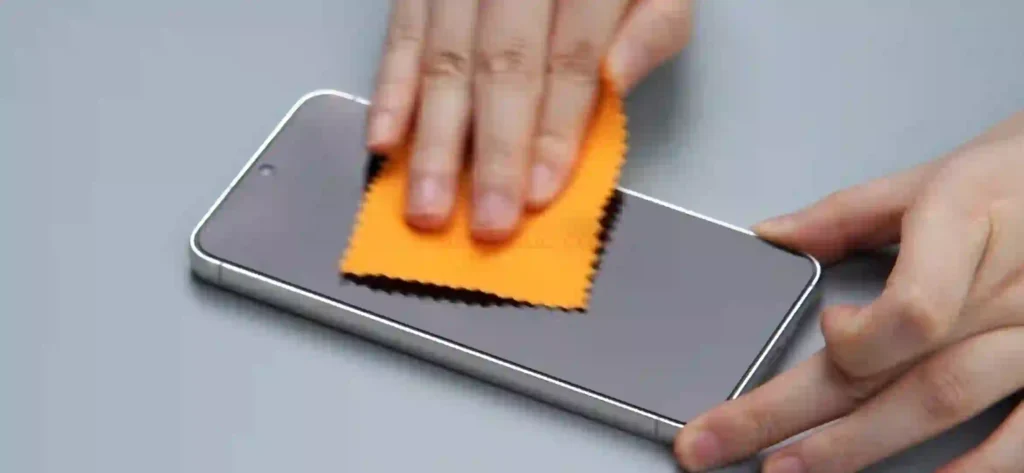
Step 2: Clean the Screen
Use an alcohol wipe, followed by a lint-free microfiber cloth. Finish with dust removal stickers to pick up microscopic debris.
Step 3: Align Using the Camera Cutout
Align the top edge using the front camera hole as your primary anchor point before letting the rest of the sheet drop.
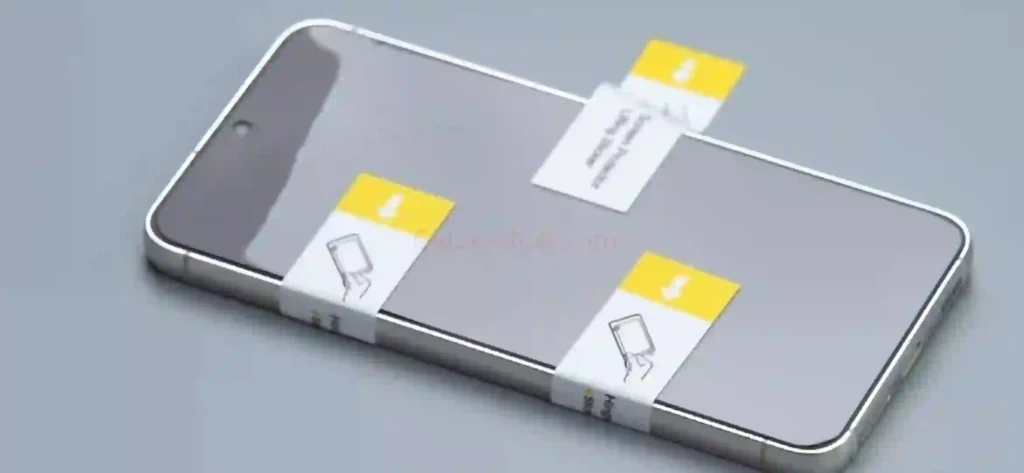
Step 4: Apply and Squeegee
Lower the protector gradually from top to bottom. Press outward from the center with a squeegee card to expel trapped air.
If you are setting up your device for the first time, check out our checklist of the first things to do on your Galaxy A56.
Common Mistakes to Avoid
- Buying Generic Multi-Packs: Unbranded multi-packs often lack optical clarity, impairing the fingerprint sensor. Look for products explicitly stating “In-Display Sensor Compatible.”
- Using Older Galaxy A55 Accessories: While dimensions appear similar, minor bezel and sensor alignment shifts mean older cases or glass will not align accurately. Review the physical differences in our Galaxy A56 vs A55 comparison.
- Ignoring Case Compatibility: High-coverage glass can lift at the corners if pushed by a tight phone case. Pair your glass with raised-bezel Galaxy A56 back covers designed with screen-protector clearance in mind.
- Rushing Bubble Removal: Do not press aggressively with fingernails. Tiny micro-bubbles along the edges usually settle naturally within 24 to 48 hours as the silicone adhesive cures.
Pros and Cons Summary
Pros:
- Prevents multi-hundred-dollar display replacement costs.
- Preserves resale value by keeping native glass free of micro-scratches.
- Specialty films add anti-glare or privacy features.
Cons:
- Poorly manufactured glass impairs optical fingerprint speed.
- Incorrect installation can trap dust or create bubbles.
- Adds slight thickness to the front bezel profile.
Frequently Asked Questions
1. Do I need a screen protector if the Galaxy A56 uses Gorilla Glass?
Yes. Gorilla Glass provides structural drop resistance, but micro-particles like silica sand in pockets or bags can still cause noticeable scratches over time.
2. Why does my fingerprint reader fail after installing tempered glass?
Thick or uncalibrated glass distorts optical light reflection. Increasing touch sensitivity and re-registering your fingerprints after installation resolves most unlock issues.
3. Will a Galaxy A55 screen protector fit the Galaxy A56?
No. Minor shifts in bezel dimensions and camera cutout positioning require a protector designed specifically for the Galaxy A56 model.
Final Thoughts
A high-quality Samsung Galaxy A56 screen protector is the most cost-effective insurance policy you can buy for your device. For maximum impact resistance, choose a 3D curved tempered glass model labeled for in-display sensor compatibility. If you prefer seamless edge coverage and instant unlocking above all else, hydrogel film is a reliable alternative.
Whatever style you pick, remember to toggle Galaxy A56 touch sensitivity on and re-scan your fingerprints immediately after installation for a smooth, frustration-free experience.